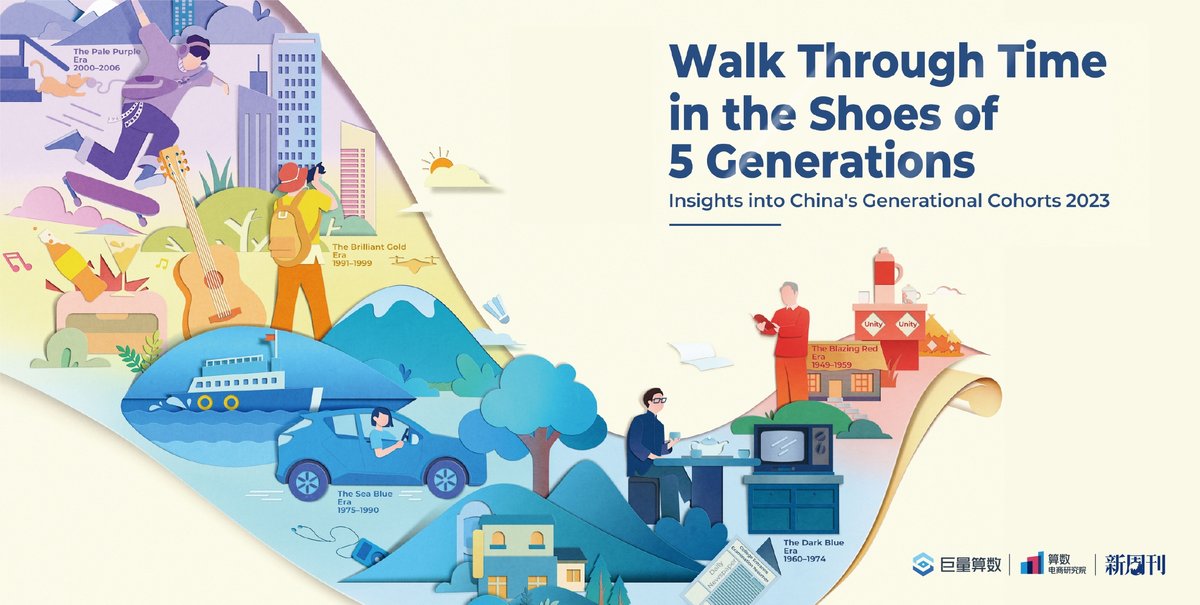
Ever feel like you’re speaking a different language than someone just a few years older or younger than you? Or wonder why certain age groups react so differently to the same news? It’s not just you. Navigating the nuances of our world—from the workplace to family gatherings to political discourse—becomes far clearer when you grasp the fundamental concept of Major Generational Cohorts and Their Defined Spans. These are more than just arbitrary age brackets; they are distinct groups shaped by shared historical moments and cultural touchstones that fundamentally mold their values, communication styles, and behaviors.
This isn't about pigeonholing people; it's about gaining context. Understanding what carved the worldview of the Silent Generation versus a digital-native Gen Z allows us to bridge gaps, anticipate shifts, and even better understand ourselves. It’s a powerful lens for interpreting societal evolution, informing policies, guiding marketing, and fostering more empathetic connections.
At a Glance: What You’ll Discover
- Generations are defined by shared experiences: Not just birth years, but the major events and technologies that shaped their formative years.
- Each cohort has core attributes: From resilience and caution to activism and digital fluency, these traits often reflect their historical context.
- Understanding these differences is practical: It improves communication, helps navigate workplace dynamics, and explains shifts in societal values.
- Generational spans aren't always rigid: While typically 15-20 years, these boundaries can blur, and the concept itself continues to evolve, especially with rapid technological change.
- The future is hyper-connected: Emerging generations like Alpha and Beta will be profoundly influenced by AI, climate action, and immersive digital realities.
Why We Divide Ourselves: The Power of Generational Thinking
At its heart, a "generational age" or "cohort" describes a group of individuals born roughly within the same 15-to-20-year window. What truly binds them isn't merely their birth year, but the formative experiences they share during their youth—the economic upheavals, technological revolutions, and cultural shifts that leave an indelible mark. These shared experiences craft a collective worldview, influencing everything from political leanings and spending habits to communication preferences and career aspirations.
Studying these divisions is far from a mere academic exercise. It's a vital tool for fostering better communication in diverse environments, analyzing broad changes in societal values, and even predicting future trends. Whether you're a marketer trying to connect with a specific demographic, a manager building a cohesive team, or simply trying to understand your parents or children better, understanding these cohorts provides invaluable context. It offers a framework for empathy, helping us recognize that different perspectives aren't necessarily right or wrong, but often products of deeply ingrained historical influences.
Echoes of History: The Generations That Built and Transformed Society
Let's embark on a journey through the major generational cohorts, exploring their defining periods and the attributes that emerged from them. You’ll notice how each generation reacts to, builds upon, or rebels against the values of its predecessors, illustrating the dynamic flow of societal change. Understanding how long a generation truly lasts often helps contextualize these shifts, showing us the pace of change.
The Builders of a Nation: Pre-20th Century Cohorts
These early generations laid the groundwork for modern America, navigating immense change from war to industrialization.
- The Civil War Generation (1845–1864): Forged in the crucible of the American Civil War and the abolition of slavery, this cohort lived through a period of profound national division and reconstruction. They were characterized by immense resilience, a strong work ethic, and a deep sense of family duty, instrumental in rebuilding the nation and shaping its post-war identity.
- The Gilded Age Generation (1865–1882): Emerging into the Reconstruction Era, this generation witnessed the rapid industrialization of America, the rise of powerful monopolies, and the dramatic expansion westward. Their formative years instilled in them a spirit of self-reliance, adherence to traditional values, and a pragmatic, often hard-nosed, approach to life.
- The Lost Generation / Progressive Era Generation (1883–1900): Coming of age amidst the horrors of World War I, the devastating Spanish Flu pandemic, and the peak of the Industrial Revolution, this generation experienced profound disillusionment. They challenged Victorian ideals, fueled artistic rebellion with modernist literature and jazz, and pushed for social experimentation, significantly influencing modern governance and labor rights. They often grappled with skepticism, leading to a profound search for meaning.
The Architects of the Modern Age: 20th Century Defining Moments
These cohorts shaped much of the society we recognize today, through world wars, economic booms and busts, and social revolutions.
- The Greatest Generation (1901–1927): Defined by the immense challenges of the Great Depression and World War II, followed by post-war recovery, this generation is renowned for its resilience, unwavering work ethic, frugality, and deep patriotism. They prioritized family and community, embodying a collective spirit that valued sacrifice for the greater good. Culturally, they embraced swing music, jazz, radio, and the golden age of early Hollywood.
- The Silent Generation (1928–1945): Raised in the shadow of WWII, the Korean War, and the nascent era of television, this cohort often adopted a cautious and conforming demeanor. They demonstrated strong loyalty to employers, respected authority, and valued stability, family, and community, preferring gradual societal evolution over radical change. Despite their "silent" label, influential figures like John F. Kennedy and Martin Luther King Jr. emerged from their ranks, subtly driving change.
- Baby Boomers (1946–1964): Born into post-WWII economic prosperity, Baby Boomers experienced the Cold War, the transformative Civil Rights Movement, and the polarizing Vietnam War. This generation developed a strong work ethic, ambition, and competitiveness, often coupled with idealism that fueled significant social movements. From Woodstock to The Beatles, their cultural impact was immense, redefining politics, economics, and societal norms. They commonly prioritized job stability and climbed traditional career ladders.
- Generation X (1965–1980): Often seen as a bridge between older and younger generations, Gen X was shaped by the tail end of the Cold War, rising divorce rates, the dawn of personal computers, and the pervasive influence of MTV. Known for their resilience, independence, and a healthy skepticism of authority (following events like Watergate), they value work-life balance long before it became a mainstream concept. They were the first to truly grow up with personal computers, making them adept at adapting to technology while retaining older, non-digital practices. Culturally, they brought us grunge and hip-hop, and iconic films like "The Breakfast Club." The question of what defines the duration of these impactful groups became more complex as technology began to accelerate societal shifts.
- Millennials / Generation Y (1981–1996): Growing up alongside the digital revolution, Millennials experienced the profound shock of the 9/11 attacks and the economic turmoil of the Great Recession. This highly diverse cohort comprises "digital natives" who prioritize inclusion, social justice, individualism, and experiences over material possessions. They often contend with challenges like student debt, job insecurity exacerbated by the gig economy, and high housing prices, which have delayed traditional adult milestones. Millennials have fundamentally redefined engagement with technology and communication, and are notably more open about seeking help for mental health issues.
The Digital Frontier and Beyond: 21st Century Cohorts
These are the truly digital generations, grappling with unprecedented connectivity and global challenges.
- Generation Z (1997–2012): True digital natives, Gen Z has unparalleled access to technology, shaped by the COVID-19 pandemic, intensified climate change activism, and mass smartphone adoption. They are the most diverse generation, valuing inclusivity, environmental awareness, authenticity, and activism. Social media platforms like Instagram, TikTok, and Snapchat dominate their real-time interactions, influencing self-perception and serving as crucial forums for mental health discussions. They exhibit high political awareness and a critical perspective on global issues, often questioning traditional power structures.
- Generation Alpha (2013–2024): The first generation born entirely in the 21st century, Generation Alpha is growing up amidst advanced AI and ubiquitous global connectivity. Influenced by Millennial parents, they are characterized by adaptability, creativity, and collaborative tendencies, with an innate familiarity with technology from birth. They often display advanced problem-solving skills but face unique challenges related to screen time and the constant influx of information. Educators are increasingly emphasizing media literacy for this cohort. As we move into an era of rapid change, the discussion around the debated duration of these historical groupings might shift, with some suggesting shorter cycles.
- Generation Beta (2025–2039): This emerging cohort's formative years will be profoundly shaped by expanded AI integration, intensified climate action, and an ever-increasing emphasis on social and digital inclusivity. Gen Beta is expected to be hyper-connected, deeply eco-conscious, and innovation-oriented, engaging seamlessly with immersive reality technologies and personalized, AI-driven learning environments from birth.
Bridging the Gaps: Navigating Intergenerational Dynamics
Understanding distinct generational attributes is crucial, but true insight comes from recognizing how these cohorts interact and influence each other. Different values, communication preferences, and workplace expectations can create friction, but also tremendous opportunities for synergy.
The Language Barrier: Communication Across Cohorts
One of the most immediate differences you'll notice across generations is their preferred mode of communication.
- Silent Generation: Often prefers formal, face-to-face interactions, valuing directness and established protocols.
- Baby Boomers: Comfortable blending traditional methods like phone calls and formal emails with some in-person dialogue.
- Generation X: Gravitates towards efficient, less formal methods like email and instant messaging, valuing brevity and directness.
- Millennials: Favor quick, informal digital platforms, text messages, and collaboration tools, valuing speed and accessibility.
- Generation Z: Master of visual communication through memes, short videos, and social media, often preferring these highly visual and interactive forms for real-time engagement.
These differences, if not acknowledged, can lead to significant misunderstandings, frustration, or a sense of being unheard.
Where Values Meet (or Clash): Workplace Dynamics
The workplace is a prime arena where generational differences play out, impacting everything from leadership styles to benefits packages.
- Baby Boomers: Often prioritize job security, career advancement through traditional pathways, and demonstrate strong loyalty to employers. They value hard work and experience.
- Generation X: Emphasize work-life balance, self-reliance, and competence. They tend to be skeptical of corporate structures and prefer autonomy.
- Millennials: Seek purpose-driven work, continuous growth opportunities, and flexibility. They are often less loyal to a single employer and prioritize a positive work culture.
- Generation Z: Expect a rapid pace, value social responsibility in their work environment, and seek transparency. They are comfortable with technology-driven collaboration and expect immediate feedback.
For companies, adapting management styles and fostering an inclusive culture means recognizing these diverse expectations. It's about finding common ground and leveraging each generation's strengths. The discussions around the actual span of a generational cohort also impact workforce planning and retirement trends, making this understanding ever more critical.
From Conflict to Collaboration: Actionable Insights
Intergenerational collaboration, while challenging, unlocks immense potential. Miscommunication, resistance to new technologies, and value misalignment are common hurdles. Overcoming these requires a deliberate approach:
- Foster Open Communication: Create forums for discussion where all voices feel heard and respected. Encourage reverse mentoring, where younger employees teach older ones about technology, and vice versa.
- Cultivate Empathy: Encourage team members to understand the historical context and formative experiences that shaped their colleagues' perspectives. A simple "Why do you think they might feel that way?" can open doors.
- Facilitate Dialogue, Not Debate: Frame differences as opportunities for learning and innovation rather than sources of conflict. Focus on what can be achieved together.
- Focus on Shared Goals: While approaches may differ, common objectives like project success, client satisfaction, or company growth can unite diverse teams. Highlight how varied perspectives lead to more robust solutions.
Effective cross-generational communication isn't just a soft skill; it's a critical strategic advantage for any diverse team or organization.
The Unfolding Story: Implications and Future Trends
Generational dynamics are not static; they are a continuous narrative shaping and reshaping our world.
What Lies Ahead: Future Generations
- Generation Z & Alpha: These cohorts will demonstrate unprecedented technological engagement, continue to champion pressing issues like climate change and mental health awareness, and profoundly redefine work-life balance, prioritizing well-being and purpose. Their perspectives on diversity, equity, and inclusion are expected to challenge and redefine traditional norms, pushing for a more just and interconnected global society.
- Generation Beta: As the first generation to be born entirely into an AI-pervasive world, their understanding of intelligence, work, and human connection may be fundamentally different. They will likely be instrumental in shaping ethical AI development and navigating increasingly complex global challenges.
The Weight of the Past: Legacy and Evolution
Each preceding generation provides foundational values, transformative social movements (like the Civil Rights Movement driven by Baby Boomers), and shifts in priorities that inevitably guide, and sometimes caution, subsequent cohorts. This legacy isn't just history; it's a living force that informs current debates and future aspirations. It shows us how the typical length of a generation impacts the passing of these torches.
The Future of Generational Thinking
While the concept of generations is a powerful aid in understanding societal evolution, it's not without its critiques. Some argue it oversimplifies individual differences and risks perpetuating stereotypes. However, its utility in providing broad context remains invaluable. Looking ahead, we might see:
- Shorter Generational Cycles: Rapid technological advancements—from the internet to AI—could lead to more frequent and distinct generational shifts, as defining experiences occur at a faster pace.
- Global Generations: Increased internet connectivity and globalization may foster the emergence of more universal "global generations" whose formative experiences transcend national borders.
Regardless of these evolving frameworks, generational insights will remain crucial for shaping effective strategies that respond to the complex needs of evolving societies. They provide a roadmap for navigating our shared future with greater understanding and intentionality.
Empowering Your Perspective: The Ongoing Generational Conversation
Understanding major generational cohorts and their defined spans is far more than an academic exercise. It's a lens for empathy, a toolkit for better communication, and a strategic advantage in a rapidly changing world. By recognizing the distinct formative experiences that shaped each group, you gain the ability to anticipate behaviors, bridge communication gaps, and foster more inclusive environments—whether that’s in your family, your community, or your workplace.
The conversation about generations is ongoing, dynamic, and vital. Embrace it not as a way to label and divide, but as a powerful framework for connection and growth. Use this knowledge to ask better questions, listen more deeply, and build a more understanding, collaborative future.