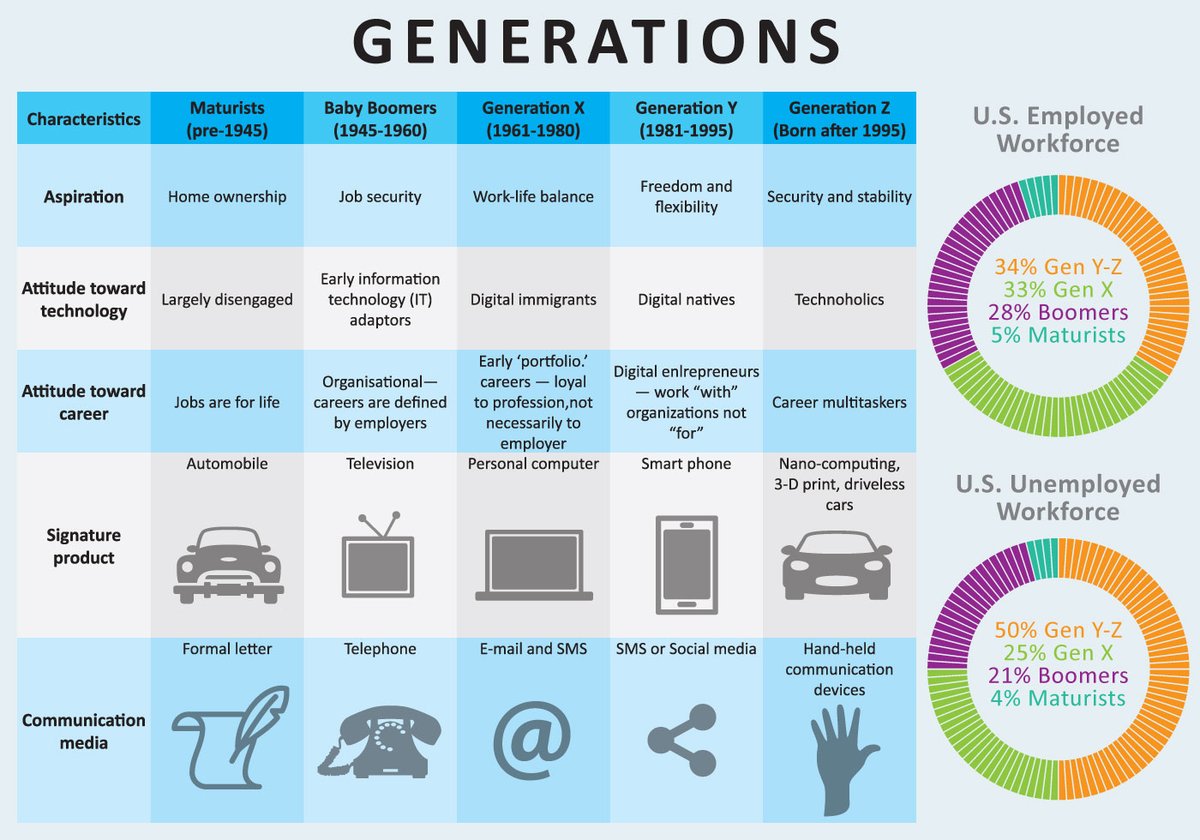
Ever wondered why we put people into neat little boxes like "Boomers" or "Gen Z"? It’s more than just a convenient label. Understanding the Average Generational Span: Statistical & Demographic Data helps us decode societal shifts, consumer trends, and even political landscapes. It’s about charting the collective experiences that mold groups of people, giving us a powerful lens through which to view history, present-day dynamics, and the future.
This isn't just an academic exercise. Whether you’re a business leader trying to reach your target market, a policymaker shaping future initiatives, or simply someone trying to understand your own family dynamics, grasping the nuances of generational spans provides invaluable insight. You'll soon discover why these boundaries shift and what truly defines a generation beyond a simple date range.
At a Glance: What Defines a Generational Span
- Fluid Boundaries: Generational spans aren't set in stone; they're generally accepted ranges that evolve with new data and historical context.
- Average Length: While definitions vary, a "generation" often statistically refers to the average period between a parent's birth and their child's birth, roughly 20-30 years. Culturally, cohorts are often shorter, around 15-20 years.
- Key Influencers: Major events (wars, economic shifts, technological revolutions), cultural phenomena, and demographic changes (like birth rates) shape when one generation ends and another begins.
- Pew Research Center: A leading authority in defining and studying generational cohorts, often influencing public discourse and demographic analysis.
- Not a Monolith: No generation is a single, homogenous group. There's significant diversity within each cohort, influenced by geography, socioeconomic status, and individual experiences.
Why Do We Care About Generational Spans? Beyond Just Dates
It's tempting to think of generational labels as just another way to categorize people, perhaps even to stereotype. But delve a little deeper, and you’ll see the profound utility. These labels, and the statistical data behind them, offer a framework for understanding shared experiences, worldviews, and collective behaviors. When we analyze the average generational span, we’re not just counting years; we’re identifying critical windows of development shaped by the unique backdrop of their formative years.
Think about it: the defining events a person experiences in their youth – from economic depressions to technological revolutions – leave an indelible mark. These shared experiences create a collective identity, influencing everything from political leanings and consumer habits to workplace expectations and social values. For instance, understanding how long generations last helps demographers predict future trends in everything from healthcare demands, as tracked by institutions like the CDC, to shifts in cultural norms.
Defining a Generation: More Than Just Birth Years
The term "generation" itself carries different meanings. In its most straightforward biological sense, it refers to the average time from the birth of parents to the birth of their children. Statistically, this often hovers around 25-30 years, reflecting typical reproductive ages. However, when social scientists and demographers talk about "generations" like Baby Boomers or Gen Z, they're using a more nuanced definition.
These culturally defined generations are not strictly biological. Instead, they represent cohorts of people born within a particular span who share a common cultural and historical context, especially during their adolescence and young adulthood. This "coming-of-age" experience, rather than just a birth year, is what truly binds them. The specific cutoff dates you see aren't arbitrary; they’re typically determined by major shifts in society, technology, or economics that fundamentally alter the environment for young people.
Consider, for example, the widespread adoption of the internet. Individuals who came of age with the internet as a given will have a fundamentally different outlook on information, communication, and global connectivity than those for whom it was a groundbreaking invention later in life. This distinction is far more powerful than merely comparing birth years.
The Big Players: A Look at Modern Generations & Their Spans
While the exact start and end dates can sometimes be debated by a year or two, consensus has largely emerged around the major generational cohorts active today. These groupings are often championed by research organizations like the Pew Research Center, which provides comprehensive demographic data and analysis on these groups.
Let's break down the most commonly recognized generations and their approximate spans:
The Silent Generation (Born ~1928-1945)
- Span: Approximately 17 years.
- Defining Context: Coming of age during the Great Depression and World War II, this generation experienced profound scarcity, sacrifice, and a strong sense of duty.
- Key Traits: Often characterized by resilience, resourcefulness, conformity, respect for authority, and a strong work ethic. They are known for their quiet patriotism and a preference for stability.
- Impact: Their early lives instilled a cautious approach to finance and a deep appreciation for community and institutional loyalty. Many lived through significant social change, yet maintained relatively traditional values. Delving into the core values that shaped the Silent Generation reveals a blueprint for enduring hardship with grace.
Baby Boomers (Born ~1946-1964)
- Span: Approximately 18 years.
- Defining Context: Named for the unprecedented surge in birth rates following World War II, Boomers grew up in a period of economic prosperity and societal change. They witnessed the Civil Rights Movement, the Vietnam War, and the rise of rock and roll.
- Key Traits: Optimistic, competitive, questioning of authority, and often driven by a sense of social purpose. They were the original "me" generation, focused on self-fulfillment.
- Impact: Boomers dramatically reshaped cultural norms, politics, and the workplace. Their sheer numbers have influenced everything from housing markets to retirement trends. Understanding the enduring legacy of Baby Boomers helps us grasp many of today's social and economic structures.
Generation X (Born ~1965-1980)
- Span: Approximately 15 years.
- Defining Context: Often referred to as the "latchkey generation," Gen Xers grew up in an era of rising divorce rates, dual-income households, and a sense of disillusionment with institutions. They witnessed the advent of MTV and the early personal computer revolution.
- Key Traits: Independent, resourceful, skeptical, adaptable, and pragmatic. They value work-life balance and are often seen as bridging the gap between analog and digital worlds.
- Impact: Gen X played a crucial role in shaping modern entrepreneurship and valuing individuality. They're often overlooked in generational discussions but are critical leaders in today's world.
Millennials (Gen Y) (Born ~1981-1996)
- Span: Approximately 16 years.
- Defining Context: The first generation to come of age with widespread internet access and mobile technology. They experienced the dot-com boom and bust, 9/11, and the Great Recession, shaping a worldview of both technological optimism and economic uncertainty.
- Key Traits: Tech-savvy, globally aware, value purpose and collaboration, often civic-minded, and highly educated (though often burdened by student debt).
- Impact: Millennials have profoundly influenced digital culture, consumer expectations, and Millennials' transformative impact on work culture has pushed companies to prioritize flexibility, social impact, and transparency.
Generation Z (Gen Z, iGen) (Born ~1997-2012)
- Span: Approximately 16 years.
- Defining Context: True digital natives, Gen Z has never known a world without the internet or smartphones. They grew up amidst social media ubiquity, global interconnectedness, and a constant stream of information. They've also come of age during times of heightened social and environmental awareness.
- Key Traits: Entrepreneurial, pragmatic, self-aware, value authenticity and diversity, highly connected, and financially cautious.
- Impact: Gen Z is reshaping how we consume media, interact socially, and approach work. They are often advocates for social justice and environmental causes. Understanding the defining characteristics of Generation Z is crucial for future marketing, education, and social policy.
Generation Alpha (Born ~2013-Present)
- Span: Still forming.
- Defining Context: Children of Millennials, born entirely in the 21st century. They are growing up with AI, ubiquitous smart devices, and unprecedented access to information.
- Key Traits: Hyper-connected, global citizens, possibly more diverse and adaptable than any previous generation.
- Impact: Their story is still being written, but they are expected to be the most technologically fluent and globally aware generation yet.
The Shifting Sands: Why Generational Spans Aren't Fixed
If you've noticed the varying lengths of the spans above (17, 18, 15, 16 years), you've hit on a critical point: generational spans are not rigid. They're not dictated by a fixed biological cycle, but by the confluence of major historical, social, and technological forces. The "average" span is more of a guideline than a rule.
Here’s why these boundaries are so dynamic:
- Socioeconomic Factors: Major economic downturns, periods of prosperity, or shifts in family structures (e.g., changing marriage ages or birth rates, which the CDC regularly tracks) can profoundly alter the formative experiences of a cohort. A generation entering the workforce during a recession will likely have different priorities than one entering during a boom.
- Technological Advancements: This is arguably one of the biggest drivers of generational shifts in recent decades. The internet, smartphones, and artificial intelligence don't just change what people do; they change how they think, learn, and interact with the world. Each major technological leap creates a natural dividing line between those who grew up with it and those who adapted to it later.
- Political and Global Landscapes: Wars, peace treaties, major political movements, or global crises (like pandemics) can create shared trauma or unity that define a cohort. The shared experience of a major global event can forge a collective identity that transcends individual differences.
- Fertility Rates and Life Expectancy: Demographic shifts play a subtle but crucial role. Changes in average family size or the age at which people have children can influence the numerical size and even the perceived "speed" of generational succession. The CDC's National Center for Health Statistics (NCHS) consistently publishes data on these vital statistics, which underpin demographic analysis.
- The Challenge of "Micro-Generations" or "Cuspers": Those born on the cusp of two generations often feel like they don't fully fit into either. Terms like "Xennials" (between Gen X and Millennials) or "Zillennials" (between Millennials and Gen Z) arise precisely because the defining events don't always align neatly with precise birth years. These micro-generations highlight the fluidity and sometimes subjective nature of these boundaries.
Statistical Methods: How Demographers Define These Windows
So, how do researchers, particularly those at institutions like the Pew Research Center, arrive at these specific dates? It’s not simply a matter of picking arbitrary years. Demographers and social scientists employ a mix of quantitative data and qualitative analysis:
- Birth Rates and Population Cohorts: At its core, generational analysis relies on understanding birth cohorts. Census data and vital statistics (like those provided by the CDC) allow researchers to track groups of people born within specific periods. Spikes or dips in birth rates can signal the beginning or end of a demographically distinct group.
- Tracking Major Historical Events: Researchers meticulously map out significant historical, social, economic, and technological events. These include wars, economic depressions/booms, major social movements (e.g., Civil Rights, women's liberation), and technological breakthroughs (e.g., television, personal computers, the internet, smartphones).
- Analyzing Formative Experiences: The key isn't just when these events happened, but how they impacted people during their "formative years" – typically adolescence and young adulthood (ages 10-25). If a particular event or trend profoundly shaped the worldview of a cohort entering adulthood, it often marks a generational boundary.
- Public Opinion and Attitudes: Extensive survey data (like that collected by Pew Research) helps reveal shared attitudes, values, and behaviors within different age groups. When a distinct pattern of attitudes emerges that correlates with a specific birth cohort, it strengthens the case for a new generational definition.
- Longitudinal Studies: Following the same group of individuals over many years provides crucial insights into how their experiences and attitudes evolve, and how they differ from older or younger cohorts.
Essentially, defining a generation is a blend of hard data (birth rates, economic indicators) and social science interpretation (impact of events, shared cultural markers). It’s about identifying a critical mass of people who, by virtue of sharing a distinct coming-of-age experience, develop a collective identity that sets them apart from the cohorts immediately preceding or following them.
Beyond the Dates: Impact on Society, Business, and Policy
Understanding generational spans isn't just for academics or history buffs. The statistical and demographic data on generational cohorts have tangible, far-reaching impacts across various sectors:
Workplace Dynamics: Bridging the Gap
Today’s workforce is arguably the most generationally diverse in history, often spanning five distinct generations. This creates both challenges and incredible opportunities. Boomers, Gen X, Millennials, and Gen Z each bring different expectations regarding work-life balance, communication styles, career progression, and technology use.
For instance, a Gen X manager might value independence and direct communication, while a Millennial team member might prefer collaborative approaches and constant feedback. A Gen Z hire, fluent in digital tools, might question traditional hierarchies. Businesses that recognize these differences can foster inclusive environments, leveraging the strengths of each cohort. Ignoring them can lead to friction, misunderstanding, and high turnover.
Consumer Behavior: Marketing to Different Cohorts
Marketers live and breathe generational data. A product or service that appeals to the Silent Generation, with its emphasis on quality and practicality, might fall flat with Gen Z, who value authenticity, social impact, and digital engagement.
Understanding the average generational span and its defining traits allows companies to:
- Tailor messaging: Craft ads and campaigns that resonate with a generation's values and experiences.
- Choose appropriate channels: Reach Gen Z on TikTok, while targeting Boomers with traditional media or more curated online experiences.
- Develop relevant products: Design products or services that meet the specific needs and aspirations of different age groups. For example, financial products designed for a generation burdened by student loan debt (Millennials) will differ from those targeting a generation focused on retirement planning (Boomers).
Political Engagement and Policy Priorities
Generational divides are a significant factor in political landscapes. Different generations often prioritize different issues, have distinct voting patterns, and engage with politics in varied ways.
- Boomers might prioritize social security, healthcare stability, and established institutions.
- Millennials often focus on climate change, economic inequality, and social justice.
- Gen Z is highly active in online activism, pushing for progressive social change and environmental policies.
Policymakers who understand these generational priorities can better anticipate public needs, craft more effective legislation, and communicate policy initiatives in ways that resonate with their target constituents. Ignoring these demographic realities can lead to political disconnect and electoral challenges. Data from the CDC, for example, on the aging population and associated health needs directly informs policy decisions regarding Medicare and public health initiatives impacting older generations.
Healthcare Needs and Trends
The aging of large generational cohorts, particularly Baby Boomers, has a profound impact on healthcare systems. This is an area where CDC data and analysis are absolutely critical. Understanding the sheer number of people entering retirement age, their common health conditions, and their healthcare expectations allows for:
- Resource allocation: Planning for future hospital beds, medical specialists, and long-term care facilities.
- Preventative health initiatives: Tailoring public health campaigns to address conditions prevalent in specific age groups.
- Innovation: Driving research and development for treatments and technologies that address the needs of older populations.
Common Questions & Misconceptions About Generational Spans
Despite the widespread use of generational labels, several misconceptions persist. Let's clarify some common queries:
Are These Dates Set in Stone?
Absolutely not. While major research bodies like Pew Research Center provide widely accepted ranges, these are analytical tools, not immutable laws. They are generally agreed-upon approximations based on statistical trends and historical analysis. Over time, as new data emerges or societies evolve, these ranges can be refined or slightly adjusted. Think of them as useful guideposts rather than rigid borders.
Am I a "Cusper" If I'm on the Border?
Yes, likely! The concept of "cuspers" (e.g., Xennials, Zillennials) perfectly illustrates the fluidity of generational definitions. If you were born within a few years of a generational cutoff, you probably share characteristics and experiences with both adjacent generations. This is because cultural shifts don't happen on a specific New Year's Day; they are gradual processes. Embrace your cusper status – it often means you have a broader perspective and can relate to a wider range of experiences.
Does My Geography Change My Generation?
To some extent, yes. While the broad generational definitions (Boomers, Millennials, etc.) are generally applied globally or at least within Western, industrialized nations, the specific experiences that define a generation can vary significantly by region and culture. For example, a Millennial growing up in rural America will have different formative experiences than one growing up in a bustling Asian metropolis, even if they share similar birth years and digital fluency. The major global events (like the internet's spread or global economic crises) provide common threads, but local context always layers on unique characteristics.
Is There a Truly "Average" Length for a Culturally Defined Generation?
Statistically, yes, but it's a broad average. As seen in the examples above, culturally defined generations tend to span roughly 15 to 20 years. This contrasts with the biological definition of a generation, which is typically 25-30 years (the average age between a parent's birth and their child's birth). The shorter cultural span reflects how rapidly major societal changes can occur and redefine a cohort's collective experience. It's less about a precise mathematical average and more about observing when enough significant changes have accumulated to warrant a new label.
Navigating Generational Differences with Empathy and Insight
The statistical and demographic data surrounding average generational spans offer far more than just trivia; they provide a powerful framework for understanding ourselves and others. The goal isn't to put people into boxes or perpetuate stereotypes, but to recognize the commonalities that shape large groups and appreciate the unique perspectives they bring.
As you move forward, consider these actionable steps:
- Focus on Understanding, Not Stereotyping: Use generational insights as a starting point for dialogue, not a definitive judgment. Recognize that individual experiences within any generation are diverse, and assumptions can be misleading.
- Leverage Strengths, Mitigate Challenges: Instead of lamenting differences, identify the unique strengths each generation brings to the workplace, community, and family. Acknowledge potential communication gaps and actively work to bridge them.
- Encourage Intergenerational Dialogue: Create spaces for people of different generations to share their experiences, perspectives, and wisdom. This can lead to richer collaboration, deeper empathy, and more innovative solutions to shared problems. Whether it's in a family discussion about current events or a corporate brainstorming session, valuing diverse generational viewpoints is key.
Ultimately, understanding the average generational span helps us to better navigate a complex, multi-generational world. It encourages us to look beyond birth years and appreciate the profound impact of shared history and evolving societal landscapes on who we are, what we value, and how we contribute to the tapestry of human experience.